
How Much Does a Lease Extension Cost?
Wondering how much a lease extension costs? The answer depends on several factors, including your property's value, the number of years remaining on your lease, your ground rent and whether you extend your lease through the statutory or informal route.
Every lease is different but understanding how lease extension costs are calculated can help you budget, decide when to start the process and potentially save thousands of pounds.
What Does a Lease Extension Cost?
For most leaseholders, there are two main costs to consider:
1. The Premium
The premium is the amount you pay your freeholder to compensate them for granting you a longer lease.
Under the statutory process, this usually means adding 90 years to your existing lease and reducing your ground rent to a peppercorn (effectively £0).
The premium is calculated using several factors, including:
The number of years remaining on your lease
The current value of your property
Your annual ground rent and whether it increases over time
Has your lease fallen below 80 years
The premium can range from a few thousand pounds to tens of thousands of pounds depending on your circumstances.
2. Professional Fees
As well as the premium, you'll need to budget for professional costs.
These will usually include:
Your solicitor
Your surveyor to value the lease
Your freeholder's solicitor
Your freeholder's surveyor
If you're extending your lease under the statutory process, you're legally responsible for paying the freeholder's reasonable legal and valuation costs.
Why Does 80 Years Matter?
One of the biggest factors affecting the cost of a lease extension is whether your lease has more or less than 80 years remaining.
Once a lease falls below 80 years, marriage value becomes payable under the current statutory system. This can significantly increase the premium you'll need to pay.
This is why many leaseholders choose to begin the process before reaching 80 years.
It's also worth noting that leasehold reform continues to evolve. While changes have been proposed, the current statutory valuation system still applies in most cases. Until any reforms are fully implemented, extending before your lease reaches 80 years is generally the safest option.
Example Lease Extension Premiums
The following examples are based on a flat worth £320,000 with an annual ground rent of £100 using our Lease Extension Calculator.
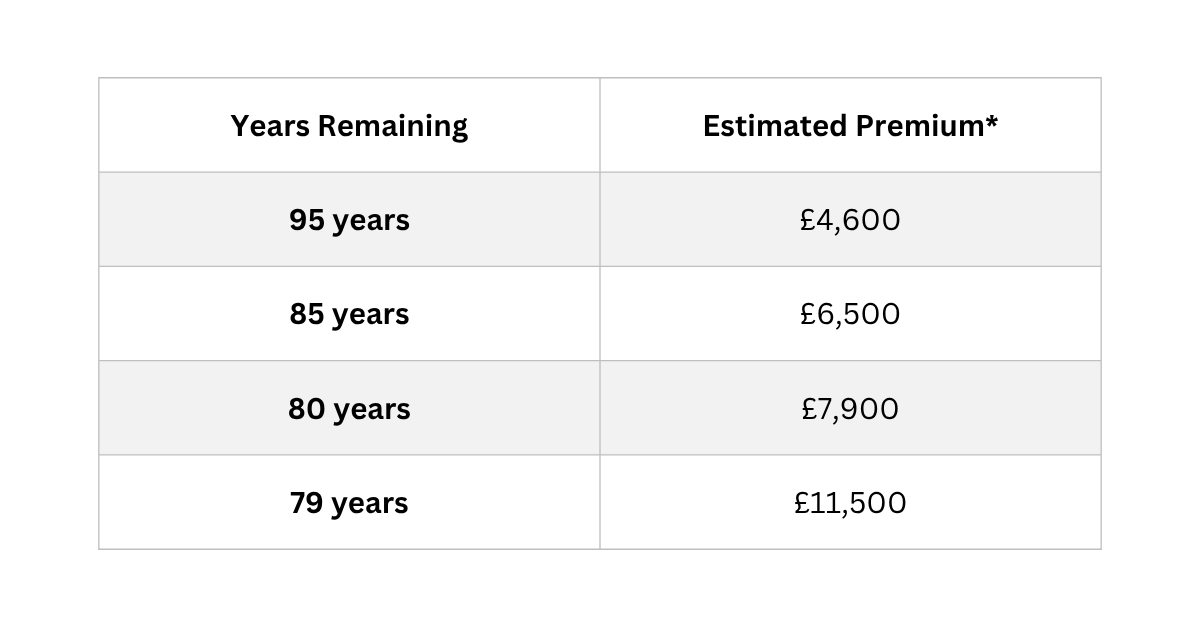
These figures are estimates only and should not be relied upon as a formal valuation.
As you can see, the premium increases gradually as the lease shortens but once the lease drops below 80 years there is a ‘cliff edge’ and the increase becomes more substantial.
What Affects the Premium?
A specialist lease extension surveyor considers several factors when calculating the premium, including:
Value of the property with a healthy lease
Length of lease remaining
Ground rent
Relativity
Capitalisation rate
Deferment rate
These calculations are highly specialised and become increasingly complex as the lease shortens.
Can Estimate the Cost Using an Online Lease Extension Calculator?
One of the biggest misconceptions is that the premium is the total cost of extending a lease. Online calculators can help work out the potential premium but the premium isn't the total cost
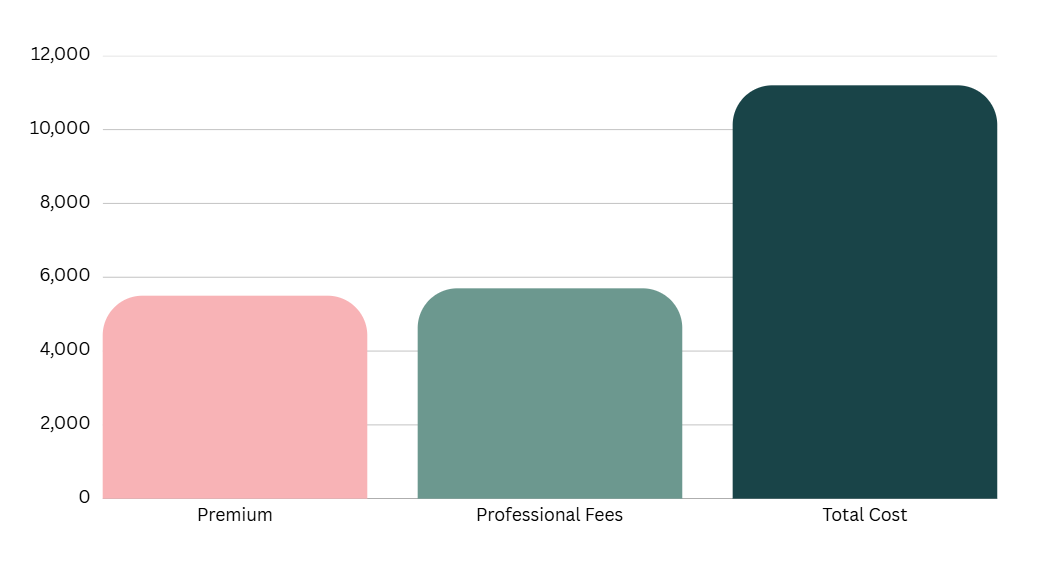
The premium is often only 50–60% of the overall amount you'll need to budget once professional fees and the freeholder's costs are included.
As you can see, the premium accounts for less than half of the total budget in this example. That's why it's important to plan for all the associated costs, not just the amount paid to the freeholder.
A lease extension calculator provides a useful estimate of the likely premium before you instruct a surveyor. Although it cannot replace a professional valuation, it is an excellent starting point and helps you understand the likely costs involved.
Try our Lease Extension Calculator
How Much Should You Budget in Total?
When extending your lease, the premium is only one part of the total cost. These examples illustrate what you might expect to pay in practice. Here's a real-world example.
Example of Overall Cost for a Statutory Lease Extension
Property value: £320,000
Lease remaining: 84 years
Ground rent: £10 per year
Freeholder: Wandsworth Council
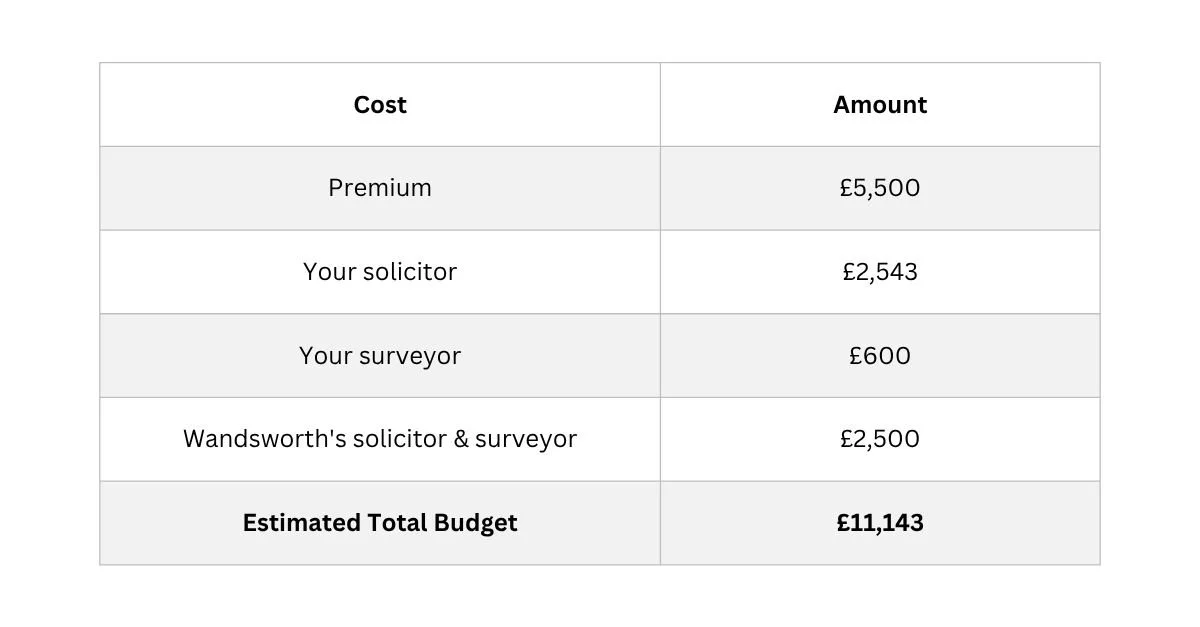
Wandsworth Council requires leaseholders to extend their leases using the statutory process.
2. Overall Cost of an Informal Lease Extension
Some private freeholders are willing to negotiate an informal lease extension instead of following the statutory process.
Property Details
Property value: £320,000
Lease remaining: 84 years
Ground rent: £10 per year
Private freeholder
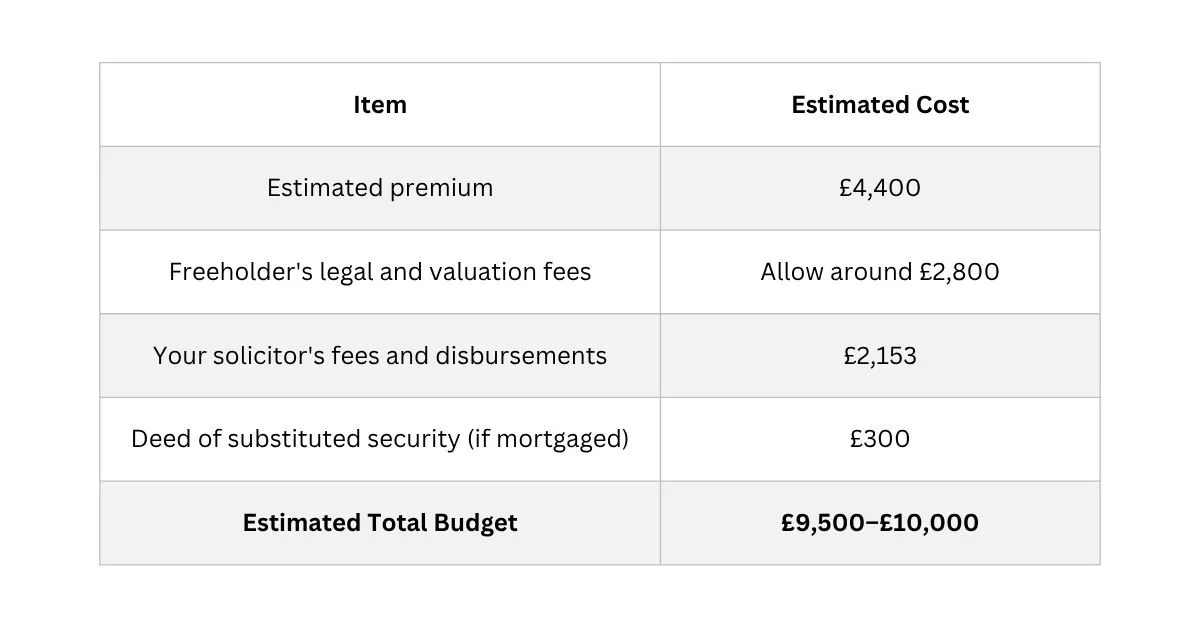
This can sometimes be quicker and slightly cheaper, although it's important to understand exactly what you're agreeing to.
Why is the Informal Route Cheaper?
An informal lease extension often grants a new 125 year lease, rather than adding 90 years to your existing lease.
Because an informal lease extension often grants a new lease - 125 years in this case -rather than adding 90 years to your existing term, fewer years are being added (41 years in this example).
As a result, the premium may be lower. While it won't necessarily be proportionate, it could be around 70%–80% of the premium that would be payable for a statutory 90 year lease extension.
You'll also usually rely on the freeholder's valuation, meaning you may not need your own surveyor at the start of the process. However, unlike the statutory route, an informal agreement isn't protected by legislation. It's important to understand exactly what is being offered, particularly if the freeholder proposes changes to the lease terms.
A specialist solicitor can help you compare the informal offer with your statutory rights before you decide whether to proceed.
When Should You Extend Your Lease?
Over 90 Years
There may be no immediate urgency, although the premium is still likely to increase each year.
85–90 Years
This is a sensible time to start planning your lease extension.
80–85 Years
Now is the time to act. Mortgage lenders may become more cautious and the premium will continue to rise.
Below 80 Years
Marriage value usually becomes payable under the current legislation, causing the premium to increase significantly.
If you're thinking about selling or remortgaging within the next few years, extending sooner rather than later can also make your property more attractive to buyers and lenders.
How Long Does a Lease Extension Take?
A statutory lease extension typically takes 6–12 months, although every case is different.
An informal lease extension can often be completed more quickly, but the terms should always be carefully reviewed before accepting an offer.
How Can Conveyancing Collective Help?
At Conveyancing Collective, we work with experienced lease extension surveyors and specialist solicitors who deal with lease extensions every day.
We can:
Introduce you to an experienced surveyor for a professional valuation
Recommend specialist lease extension solicitors
Explain both the statutory and informal processes
Help you understand your likely costs
Provide fixed-fee, no-obligation quotations
Whether you have 95 years remaining or you've already fallen below 80 years, we're here to make the process as straightforward as possible.
Frequently Asked Questions
-
Generally, yes. Once your lease falls below 80 years, marriage value usually becomes payable under the current statutory system, increasing the premium.
-
Yes. A lease extension calculator provides a useful estimate based on your property's details, but it cannot replace a professional valuation by a specialist surveyor.
-
If you're extending your lease through the statutory process, you'll usually pay the freeholder's reasonable legal and valuation costs.
-
Sometimes. Many private freeholders are willing to negotiate informally. However, it's important to compare the offer carefully with your statutory rights before agreeing.
-
A desktop valuation typically starts from around £600, although costs vary depending on the property and the type of valuation required.
Find Out How Much Your Lease Extension Could Cost
Every lease is different, but getting an estimate is the best place to start.
Use our Lease Extension Calculator to receive an instant estimate of your likely premium. If you decide to proceed, we can introduce you to experienced surveyors and specialist solicitors who deal with lease extensions every day.
Not Sure What Happens Next?
If you're thinking about extending your lease, understanding the costs is only part of the picture. You'll also need to know how the lease extension process works, how long it takes and what happens at each stage. Here’s our video guide of the basics.